The Bill Ainslie Handbook
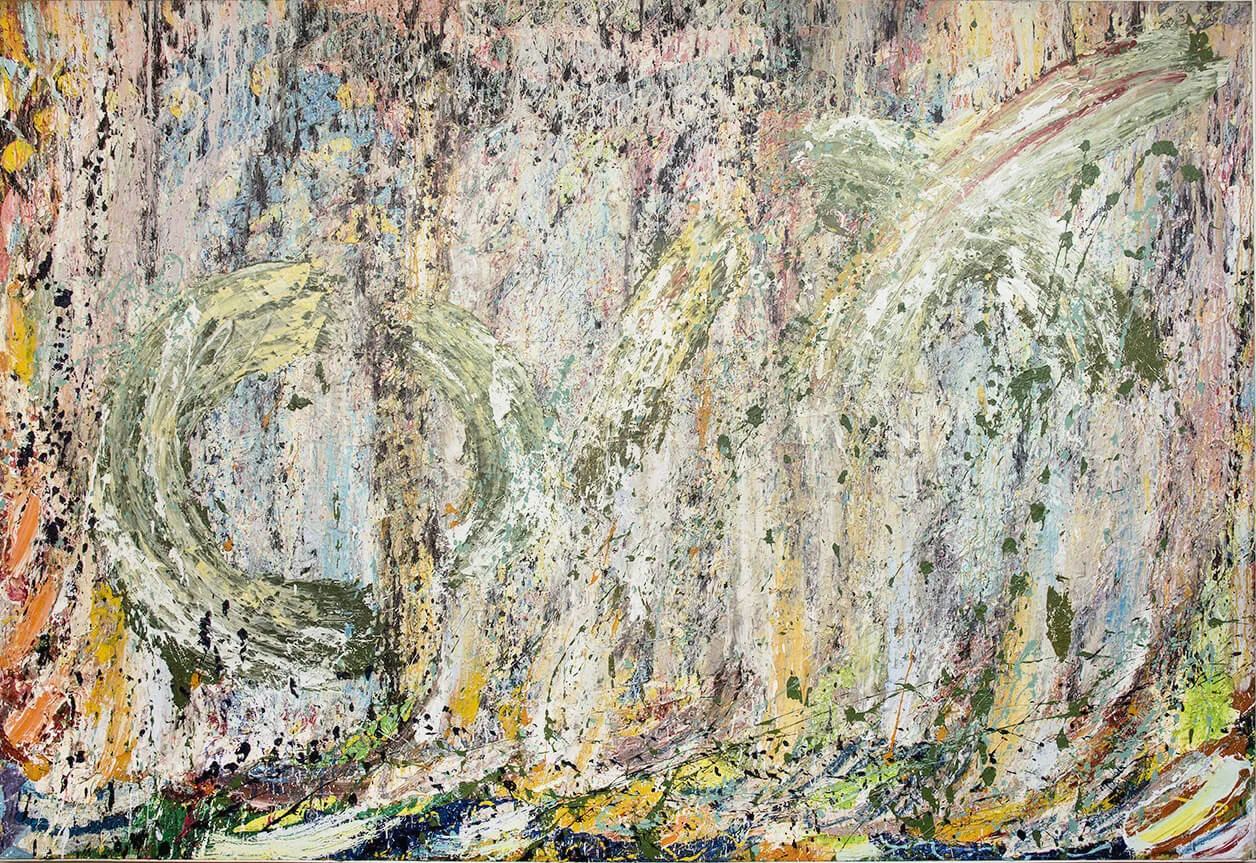
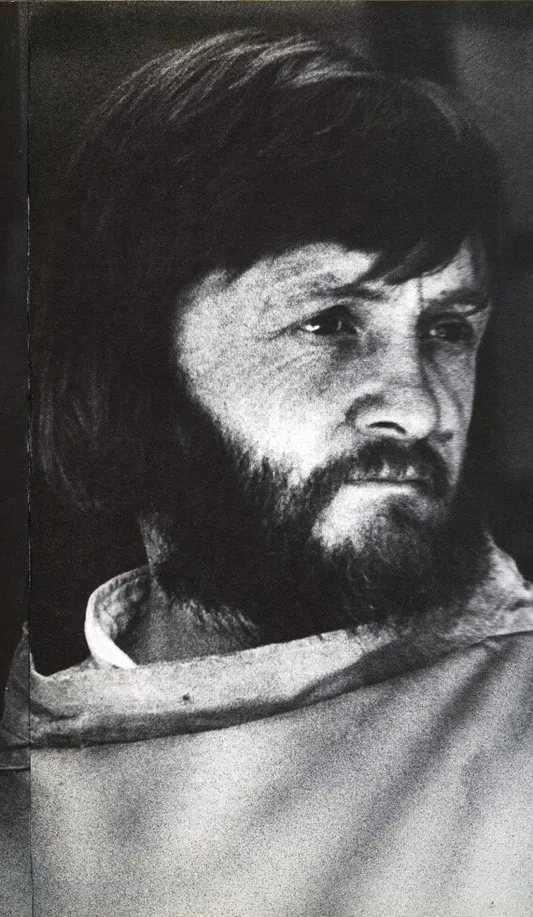
When you ask people who knew Bill Ainslie what he was like, the answer is always, ‘He was a good person.’ And then they go on to say that he had a warmth about him, that he respected people, and that he was a decent man. Well, that says much, especially since he lived at a time in South Africa when loyalty to certain groups and hostility to others were encouraged by law and custom. But Bill Ainslie was much more than just a decent person, special as that was. He did things, he thought things, and he made things happen for himself and many kinds of people. This handbook offers ways of discovering who he was, what he did and how he did it. It lays strong emphasis upon Ainslie as a teacher and, especially, on his life as a painter.
Bill Ainslie (1934-1989), although highly active during his life in the South African cultural landscape, dropped out of sight and general memory after his death in 1989. For three decades (1960-1990), Ainslie was a powerful influence in the lives and work of many people, especially artists, who longed to live and work freely with their art. He was also trusted and respected by figures in the liberation struggle. Regrettably, he did not live to see the country liberated.
Ainslie’s influence was felt in three particular areas.
First, his paintings are regarded by many as his most important achievement. In his relatively short career, he held ten solo exhibitions, mostly in the city of his choice, Johannesburg, but also in Pretoria, Durban and Amsterdam. He participated in many group shows and art competitions, and his portraits, drawings and sketches together comprise a large body of work. His abstract paintings from the 1980s are regarded as major works in their field.
Second, there is Ainslie the teacher. After his graduation from the University of Natal with an Honours degree in Fine Art in 1958, he painted and taught continuously. He taught privately while he prepared work to show. During the early 1970s, he extended his individual teaching and workshops by working with larger numbers of artists, students and part-timers until the fully fledged Johannesburg Art Foundation (JAF) emerged with Ainslie as director. This foundation developed into a multi-activity centre, which drew into its ambit writers, musicians, artists and educators who contributed to the centre’s cultural importance.
Third, a key feature of the JAF was its focus on helping individuals discover and express their creativity through painting. Because of the foundation’s tone and ethos, artists who worked there felt that they were in ‘another country’, different from the one that they had to endure.
The JAF was more than an art centre or school. It developed into one of the many progressive initiatives by South Africans in the 1980s that explored and practised values that might characterise a future country. The JAF was regarded by activists as a model or example of what centres for urban and rural communities should be, a model that offered fresh creative possibilities in the arts and humanities. In that role, the JAF developed and supported other community centres. With the input of the South African artist and art critic David Koloane and Ainslie, it launched a series of artists’ workshops in South Africa, which have now spread across the world under the management of the international Triangle Workshop programme.
During the more than 35 years since his death, Ainslie’s influence has become evident in the work – exhibiting, teaching, workshopping – of artists who spent time with Ainslie in his Studio and later in the Johannesburg Art Foundation. Communities of practitioners and the teachers and students at arts centres in many places, even beyond South Africa, have felt his presence in their working lives. The Johannesburg Art Foundation itself, as developed and led by Ainslie has become a point of reference in thinking about the influence of cultural centres in society.
As his influence expands and continues, it has become possible now to regard Ainslie not only as a figure of esteem, but as an ancestor from whom artists can draw their values and practice. Hence the title of this handbook.
This handbook begins the process of discussing and discovering more about the life and career of Bill Ainslie than has been available before. It is also intended to create an opportunity for long and deep studies of Ainslie as an artist and teacher and the context in which he worked.